Graminski GF, Kubo Y, Armstrong RN

In both dogs and mice, rapamycin therapy improves cardiac function and can potentially treat hepatic glycogen storage disease.[4, 24, 25, 3335] Inhibition of mTOR also results in decreased smooth-muscle cell migration and proliferation within coronary arteries, with rapamycin-coated coronary stents significantly reducing arterial stenosis following stent placement.[36] Still, one of the most striking findings is that rapamycin administration has been associated with a significant increase in subject lifespan, a result observed in multiple model organisms, including yeast [37], fruit flies [38], nematodes [39], and mice.[4046] In humans, oral rapamycin is absorbed rapidly with peak concentrations occurring within one to three hours depending on dosing protocol.[47, 48] In the bloodstream, the vast majority of rapamycin is distributed within red blood cells, and co-administration with a high fat meal can increase the oral bioavailability and AUC by up to 35% while decreasing the maximum blood concentration.[49, 50] In dogs, Larson et al
When you have a tendonitis, the structure of the tendon changes
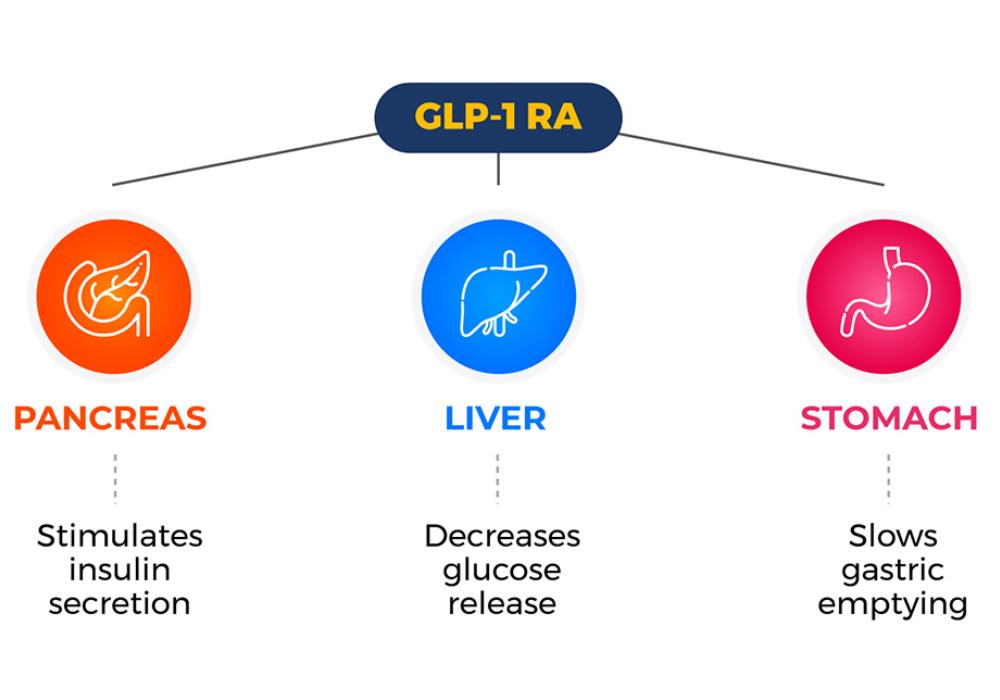
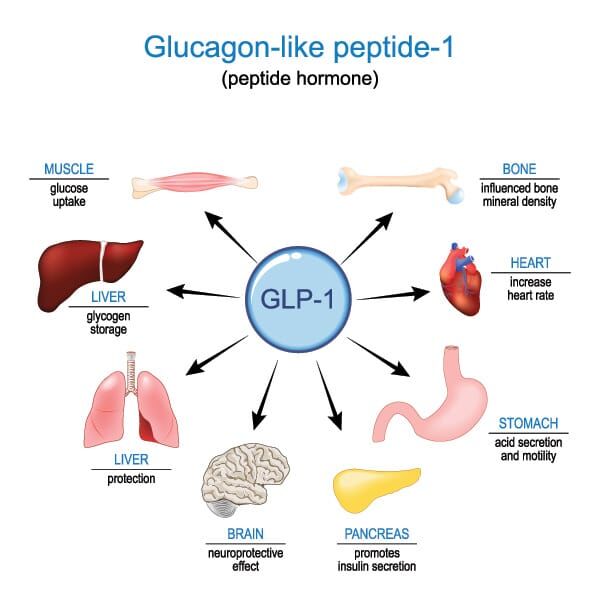
Postbiotics operate through a distinct, complementary mechanism: continuous modulation of gut-derived signaling pathways that influence enteroendocrine function, insulin sensitivity, inflammation, and metabolic adaptation
These findings help characterize how plant community composition influences GHG emissions and could inform land management strategies that implement nature-based solutions to mitigate climate change
Please consult your healthcare provider about your individual needs