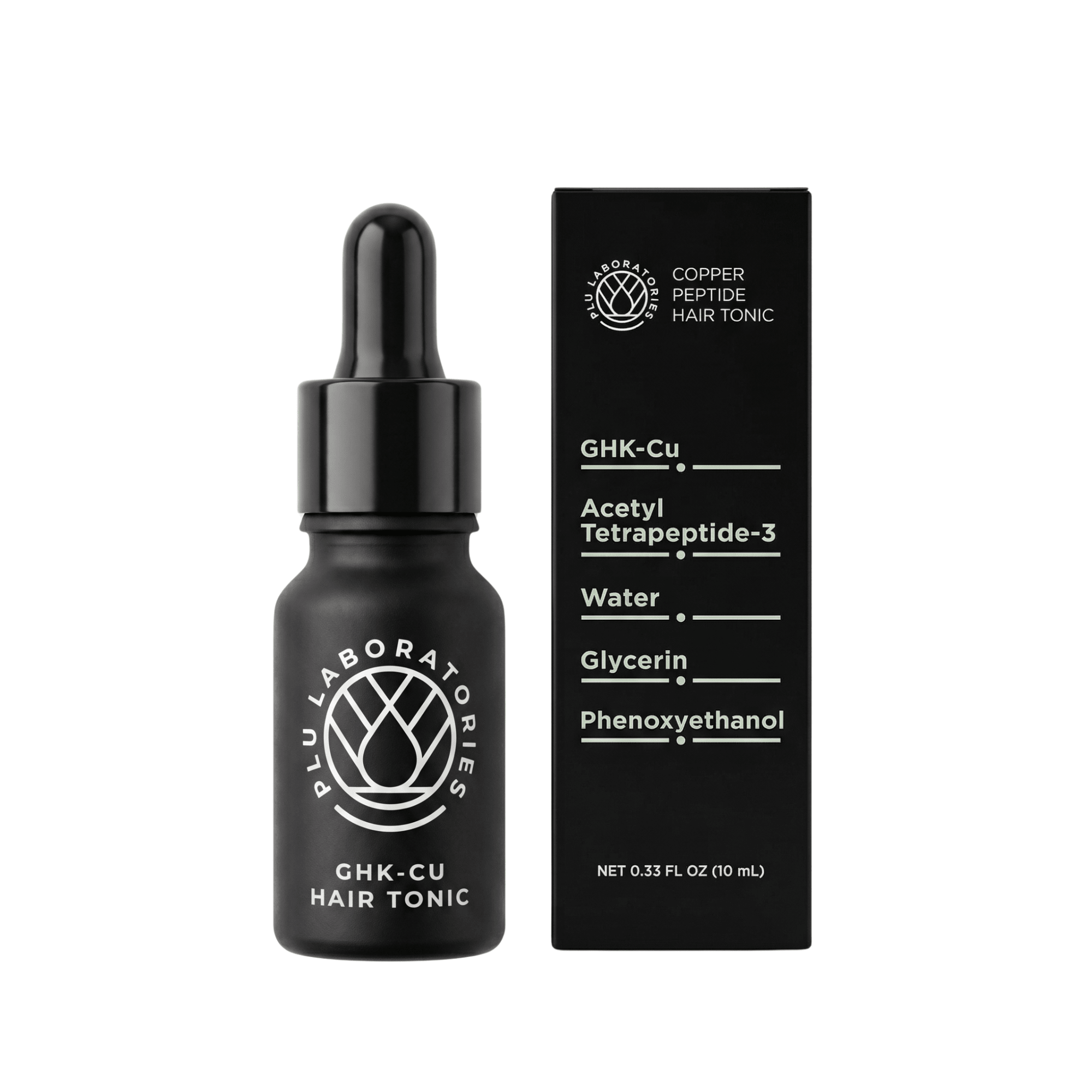
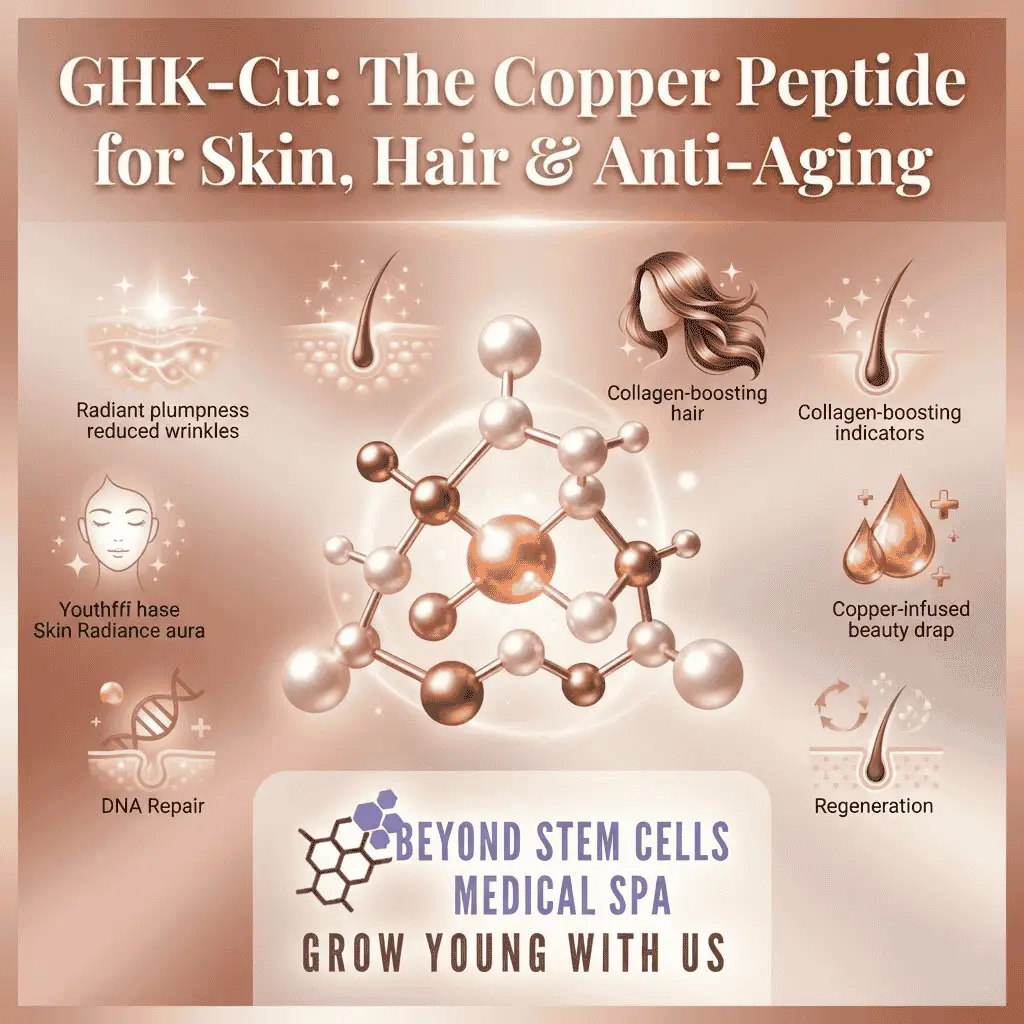
In laboratory research settings, GHK-Cu has been investigated for its effects on fibroblast gene expression profiles, collagen and glycosaminoglycan synthesis characterization in cell culture models, and antioxidant enzyme upregulation via Nrf2 pathway activation
Oral versus injectable cost breakdown Covering the nutrient gaps either way What side effects should you expect on GLP-1
Additional information Digital Features To view digital features for this article go to Rights and permissions Open Access This article is licensed under a Creative Commons Attribution-NonCommercial 4.0 International License, which permits any non-commercial use, sharing, adaptation, distribution and reproduction in any medium or format, as long as you give appropriate credit to the original author(s) and the source, provide a link to the Creative Commons licence, and indicate if changes were made
Recent advances in the field of RCD enabled the inclusion of additional newly described RCDs such as alkaliptosis [5], cuproptosis [6], disulfidptosis [7], oxeiptosis [8], or PANoptosis [9]
How BPC-157 Likely Supports Healing One of the often discussed mechanisms of BP-157 is its influence on VEGF (Vascular Endothelial Growth Factor)
Semaglutides are the only GLP-1 medications available as pills right now