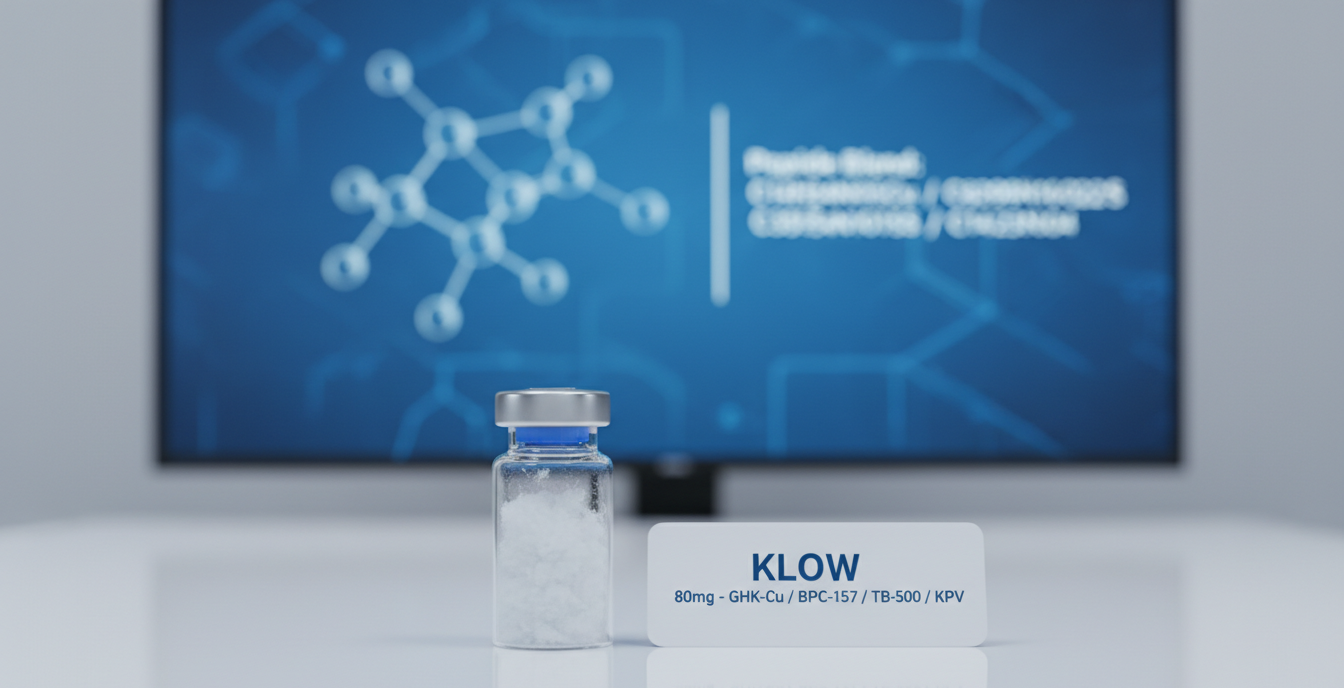
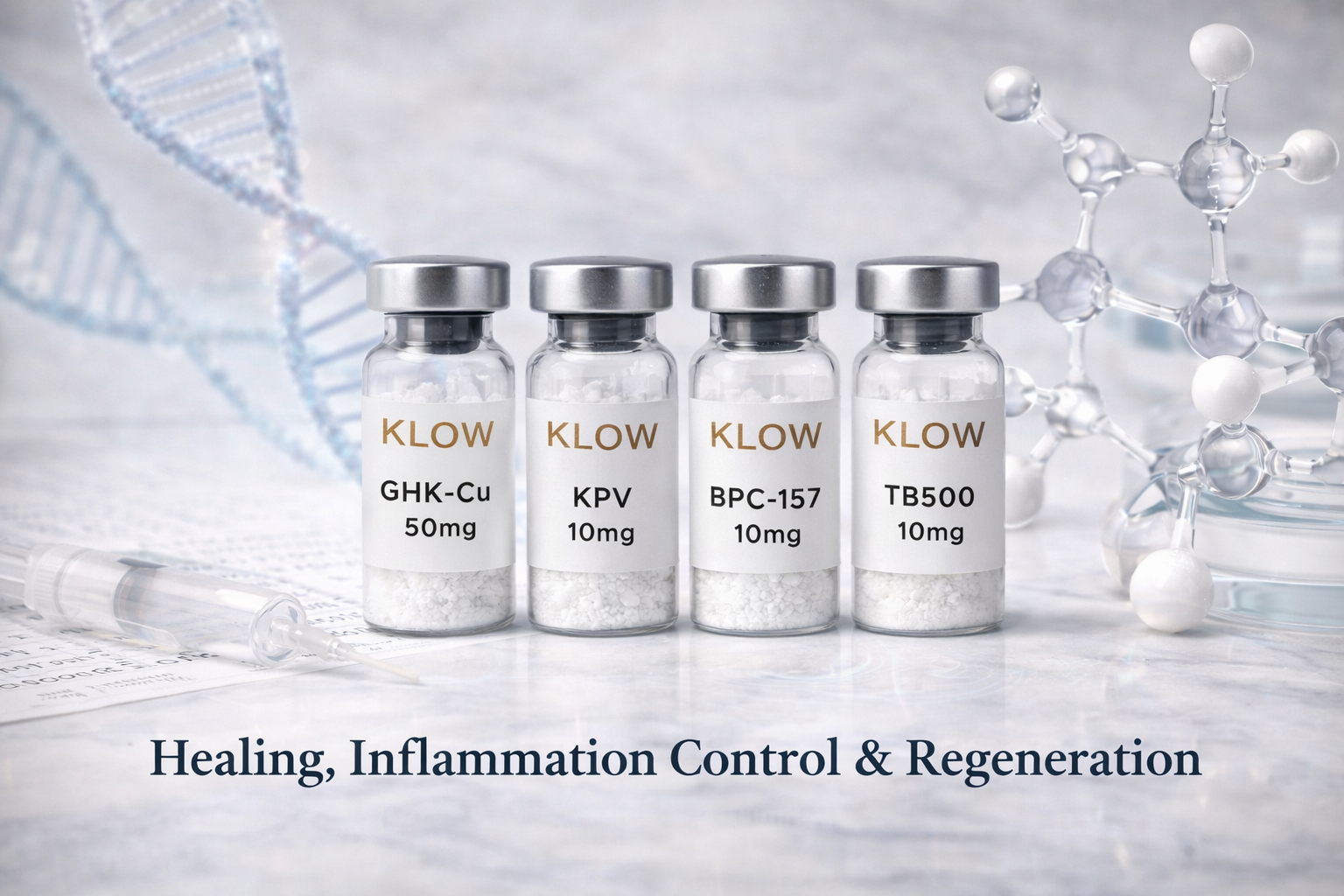
Its a longtime favorite in Korean professional skincare, and for good reason it supports brighter skin, helps fade dark spots, protects against daily stress, and strengthens overall skin health
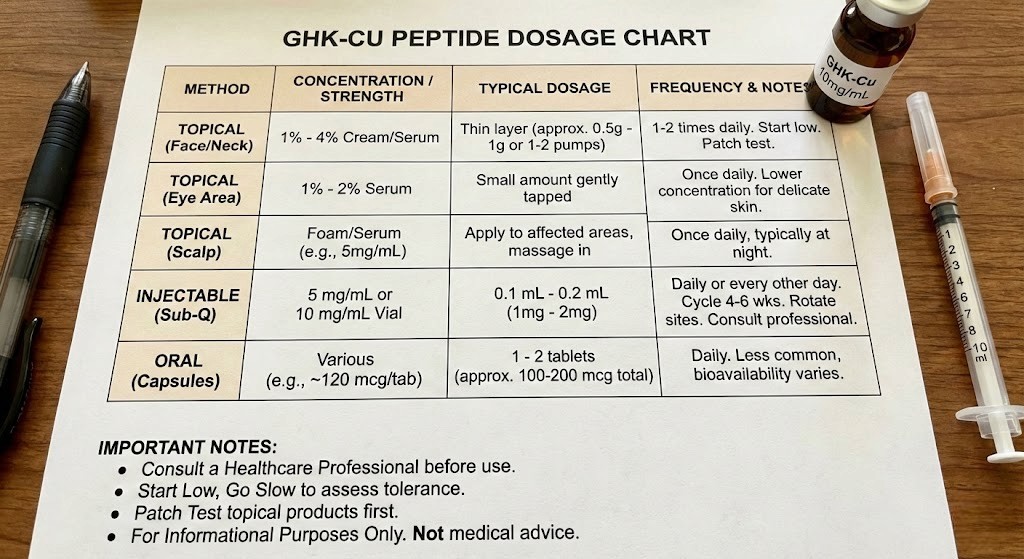
While even extremely high doses of GHK-Cu are unlikely to cause any adverse reactions, Pickart has estimated that the peptide can produce toxic action and start lowering a subjects blood pressure starting from an astronomical dose of about 22,500mg [13]
If they get too hot, too cold, or sit in the sun, the proteins can "denature" (break down), rendering the expensive medication less effective or even completely useless
Interestingly, GIPR agonism blocks PYY (155) and GLP-1 receptor mediated emesis and illness behaviors in preclinical species (156)

Mechanism of Action Stimulates angiogenesis (formation of new blood vessels) Increases fibroblast activity and collagen synthesis Reduces pro-inflammatory cytokines and promotes anti-inflammatory cascades Enhances tendon-to-bone healing , muscle fiber regeneration, and gut lining repair Works through interaction with the nitric oxide system , aiding circulation and tissue oxygenation BPC157 promotes tendon and ligament healing, accelerates wound closure, and stabilizes vascular response after injury. Sikiric et al., Current Pharmaceutical Design Applications Joint pain, tendonitis, ligament tears Ulcers, IBS, leaky gut Muscle strain, post-surgical recovery Neural repair and recovery from nerve compression Post-cycle inflammation and tissue stress Delivery Administered via subcutaneous injection , near site of injury or systemically Can also be taken orally for GI-related issues (due to gastric stability) BPC157 Overview and How It Works BPC157 (Body Protection Compound-157) is a synthetic peptide derived from a protein found in human gastric juice

Reused needles are duller, causing more tissue trauma